
The concept of the “American Dream” is shifting. No longer is it confined to white-picket fences in the suburbs; it is moving toward vibrant, tech-infused, and sustainable urban centers. This is the era of Axurbain—a movement where smart design isn’t just a luxury, but a necessity for the 21st-century city.
From the tech hubs of San Francisco to the historic streets of Boston, urban spaces are undergoing a radical transformation. But what exactly makes a city “Smart,” and how is Axurbain leading this charge
Smart urban design is more than just architecture; it is a full-scale technology transformation that changes how we interact with our environment.
1. The Core Pillars of Axurbain Design
Smart design in the US context focuses on three critical areas: Connectivity, Sustainability, and Human Wellness.
A. Hyper-Connectivity through IoT
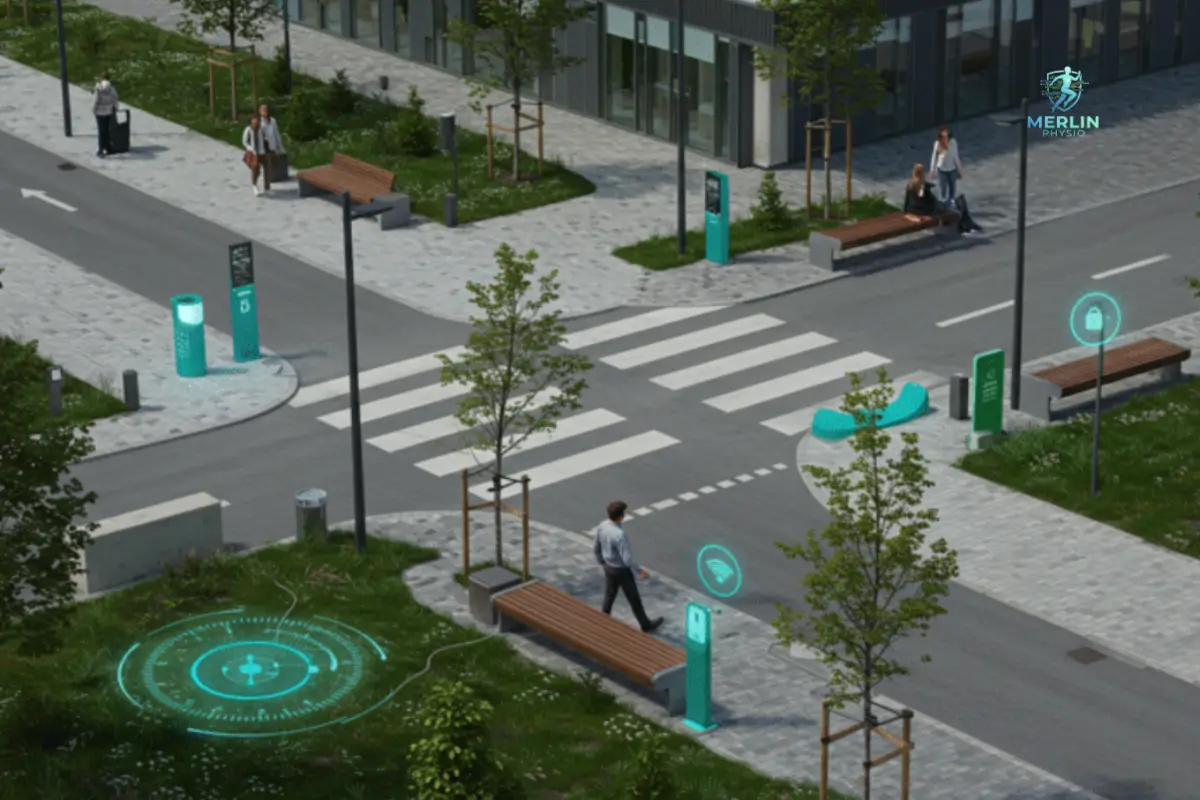
In an Axurbain environment, everything is a data point. Smart sensors embedded in pavement monitor traffic flow in real-time, reducing congestion in cities like Los Angeles or New York. Public Wi-Fi 6 networks and 5G nodes are integrated into street furniture, turning every park bench into a potential workspace.
B. The Green Infrastructure Revolution
Sustainability is at the heart of the American urban shift. We are seeing a move from “Gray Infrastructure” (concrete and asphalt) to “Green Infrastructure.” This includes:
- Permeable Pavements: To manage stormwater runoff and prevent flooding in coastal cities.
- Urban Canopies: Increasing the “Leaf Area Index” to combat the Urban Heat Island effect.
C. Human-Centric “15-Minute” Planning
The “15-minute city” is a concept gaining massive traction in the US. The goal is to design neighborhoods where work, groceries, healthcare, and leisure are all within a 15-minute walk or bike ride from home, reducing reliance on cars and lowering carbon emissions.
2. Iconic Case Studies: America’s Smartest Spaces
To understand Axurbain, we must look at the projects already setting the gold standard across the United States.
i. The High Line, New York City: A Lesson in Adaptive Reuse
Perhaps the most famous example of smart urban design, the High Line transformed an eyesore—a rusted, elevated freight rail—into a world-class linear park.
- The Impact: It didn’t just add greenery; it spurred billions in real estate investment and created a blueprint for cities like Chicago (The 606) and Miami (The Underline) to repurpose abandoned infrastructure.
To manage the complexities of modern city living, individuals often need to declutter your life and mind to appreciate the benefits of smart design truly.”
ii. Sidewalk Labs & The Digital Waterfront
While projects like the Toronto waterfront faced challenges, the lessons learned are being applied in US tech hubs. Integrating digital layers into the physical environment—such as heated sidewalks to melt snow and automated waste collection—represents the peak of Axurbain’s technological ambition.
iii. The “Big Dig” Legacy and Green Belts (Boston)
Boston’s transformation of a massive highway into the Rose Kennedy Greenway shows how removing “urban scars” can reconnect divided neighborhoods and improve the mental well-being of thousands of residents.
3. The Role of Audio-Visual Innovation (The “Audious” Angle)
For a modern US audience, a smart city must also be an Immersive City. This is where audio-visual technology meets urban planning.
- Acoustic Mapping: Cities like Seattle are using acoustic sensors to map noise pollution, allowing planners to design “Quiet Zones” or use natural sound masking (like waterfalls) to improve the urban soundscape.
- Interactive Public Art: In cities like Austin, smart design includes AV installations that respond to human movement, turning a simple subway transit into a cultural experience.
- Wayfinding through Sound: For the visually impaired, smart cities are implementing “Audio Beacons” that provide turn-by-turn navigation via smartphone apps, making the city truly accessible for everyone.
4. Economic Growth: Why Smart Design is Good Business
Smart design isn’t just about “feeling good”—it’s a massive economic driver.
- Increased Property Values: Properties located near smart green spaces see a 15-20% higher valuation compared to traditional urban blocks.
- Attracting Top Talent: The modern American workforce (Gen Z and Millennials) prioritizes livability. Tech giants like Google and Amazon choose locations based on the “Walkability Score” and smart amenities of a city.
- Energy Savings: Smart LED streetlighting and automated building management systems can save a city up to 30% on annual energy costs.
5. Challenges: Navigating the Road to Axurbain
Transitioning a 100-year-old American city into a smart hub isn’t without its hurdles:
- Privacy & Data Ethics: With sensors everywhere, the US audience is rightfully concerned about data privacy. Axurbain advocates for “Privacy by Design,” ensuring data is anonymized and used only for public benefit.
- The Wealth Gap: There is a risk that smart design only reaches affluent neighborhoods. The challenge for planners is ensuring “Equitable Urbanism,” where smart transit and green spaces are available in underserved communities.
- Infrastructure Aging: Retrofitting old power grids and subway systems is expensive and time-consuming.
6. The Future: AI and Autonomous Urbanism
What does the next decade look like for US cities?
- Autonomous Transit Corridors: Dedicated lanes for self-driving shuttles that communicate with traffic lights to ensure zero-wait times.
- AI-Driven Resilience: Using predictive AI to prepare for climate events, such as wildfires in the West or hurricanes in the East.
- The Rise of “Prosumer” Buildings: Homes and offices that not only consume energy but produce it via solar skins and share it back to the city grid.
Conclusion: Embracing the Axurbain Movement
The future of American living is being written today through the lens of Axurbain. By blending the best of Silicon Valley’s tech with a deep respect for environmental sustainability, we are building cities that are not just “machines for living,” but thriving, breathing ecosystems.
As we move forward, the success of our communities will depend on our ability to innovate responsibly, ensuring that our urban spaces are as smart as the people who inhabit them.